Concrete is the backbone of modern construction, yet its production comes at a heavy environmental cost. Cement, the key binding ingredient, accounts for about 7% of global man-made carbon emissions, consuming vast amounts of energy and natural resources. This reality has driven researchers to explore greener alternatives, particularly by reusing waste materials that would otherwise pollute the environment.
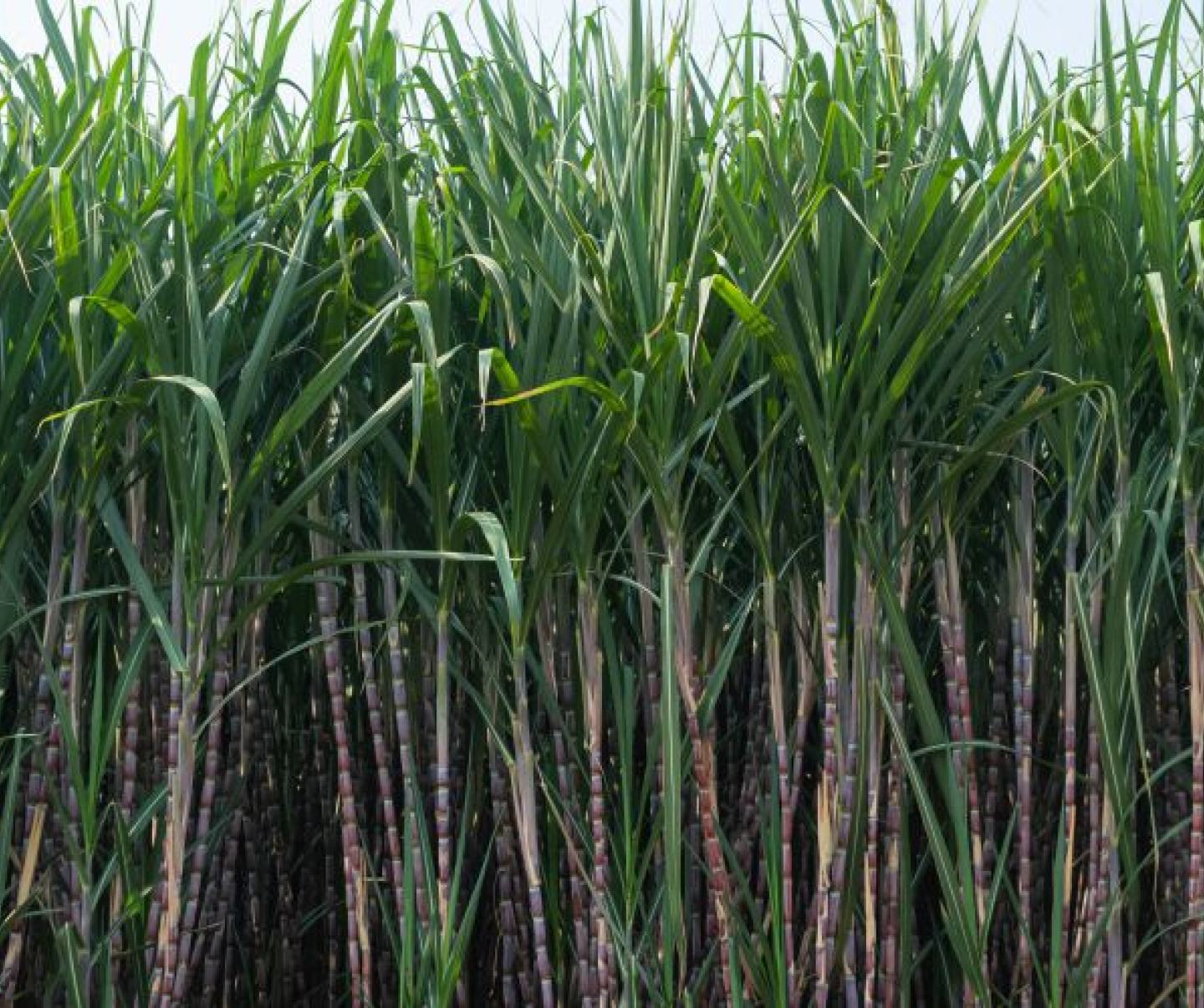
One promising option is Sugarcane Bagasse Ash (SCBA); a by-product of the sugar industry. Traditionally, SCBA has been treated through grinding or high-temperature calcination before use in concrete, but these methods add energy costs and undercut its sustainability benefits. This study investigates whether untreated SCBA can be directly used in concrete mixes as a partial replacement for cement, sand, or as an admixture—helping cut emissions without additional processing.
The experiments tested eleven concrete mixes with 5% and 10% SCBA. The results showed that replacing cement with untreated SCBA led to reduced compressive strength, mainly due to the material’s high carbon content and low pozzolanic activity. However, when SCBA was used as a sand replacement, the concrete strength improved, achieving an 11% increase at 28 days. Similarly, when SCBA was added as an admixture, it enhanced performance at moderate dosages.
Beyond the lab, a sustainability case study was conducted on a residential villa in Egypt, requiring nearly 400 m³ of concrete. The findings revealed that replacing just 10% of cement with SCBA could cut carbon emissions by over 17 tons and reduce dust pollution significantly, while also lowering construction costs by about 6.4%. This real-world scenario underscores the practical benefits of adopting agricultural waste in construction.
Importantly, Egypt produces more than 16 million tons of sugarcane residue each year, much of which is burned and wasted. Utilizing this by-product in construction not only reduces environmental damage but also supports a circular economy by turning waste into valuable building material. Such approaches align with global goals for greener, more resilient cities.
In conclusion, while untreated SCBA is less effective as a cement substitute, it shows great potential as a sand replacement or admixture. By making use of agricultural waste without additional processing, the construction industry can lower emissions, cut costs, and promote sustainability. Future research should refine mix designs and assess long-term durability, but the message is clear: agricultural waste is not just waste, it’s an untapped resource for building a sustainable future.
Article by:
Dr. Yosra H. El Maghraby
Assistant Professor of Civil Engineering at the British University in Egypt.
Yosra.elmaghraby@bue.edu.eg


admin